
















Tuck End Box vs Mailer Box: Which One Fits Your Product?
Updated · Vorex Packaging
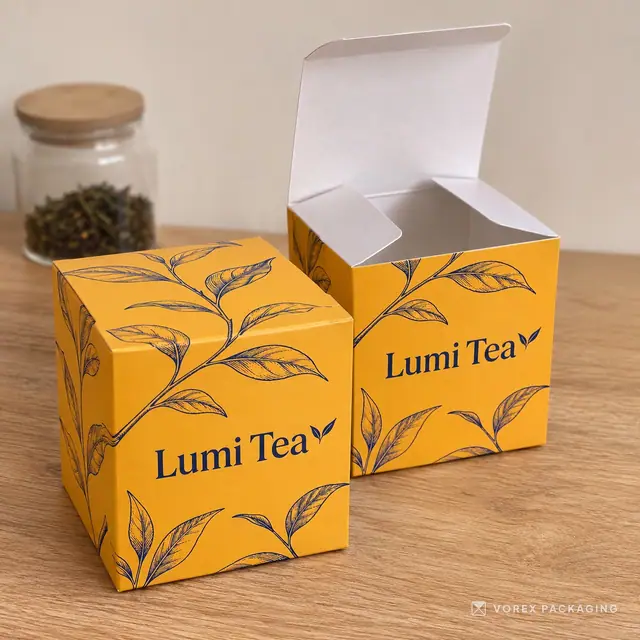
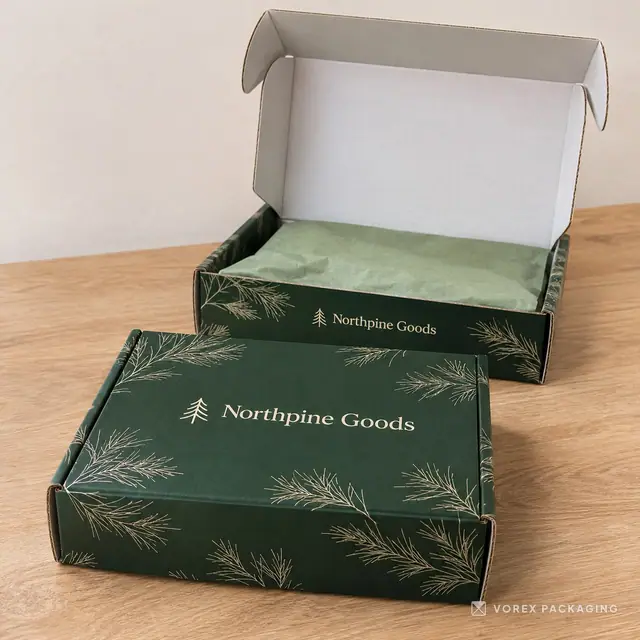
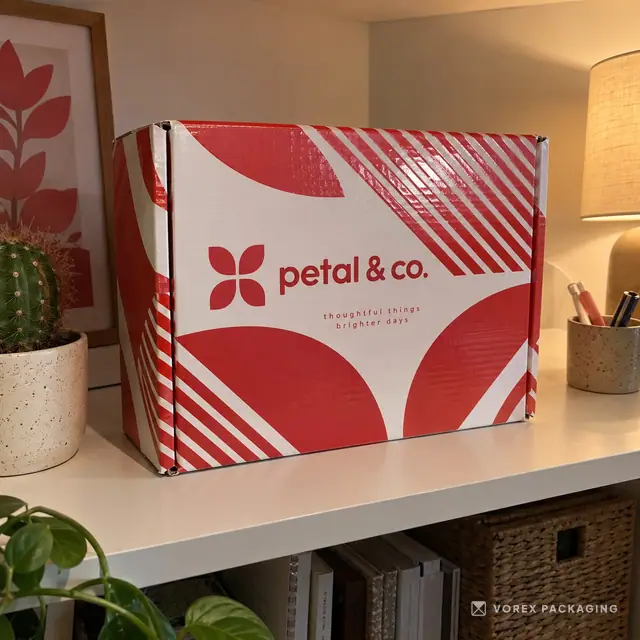
Choose a tuck end box for a light retail product that sits on a shelf or travels inside another carton: it is a folding paperboard carton with a tuck flap at each end. Choose a mailer box when the box itself goes through the mail: it is corrugated, sturdier and opens like a gift box.
| Tuck end box | Mailer box | |
|---|---|---|
| Material | Paperboard such as SBS or kraft; E-flute for heavier items | Corrugated board, usually E-flute or B-flute |
| Structure | Glued side seam with a tuck flap at the top and bottom | One die-cut piece that folds and locks without glue, with a tuck-in lid |
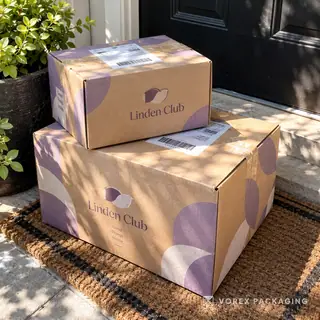
| Mailing on its own | Not usually; it goes inside a mailer or shipping carton | Yes, with the shipping label applied directly |
| Opening | Pull out the top tuck flap | Lift the lid like a gift box |
| Printing | Outside panels, suited to retail graphics, claims and barcodes | Outside, and inside the lid and base if you want |
| Best for | Cosmetics, supplements, candles, small retail goods | E-commerce orders, subscriptions, PR kits, apparel |
| Storage | Ships flat, glued, and pops open when packing | Ships flat and folds into shape when packing |
What is the difference?
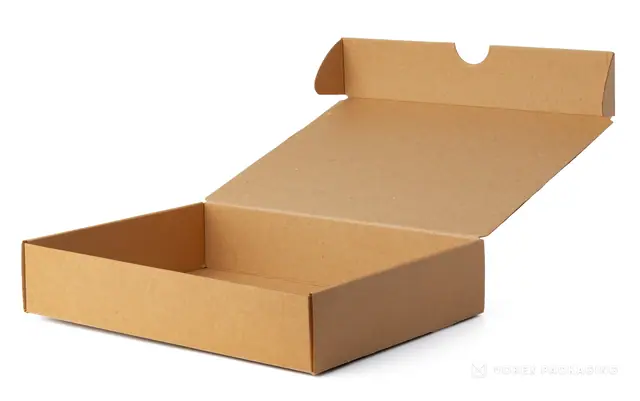
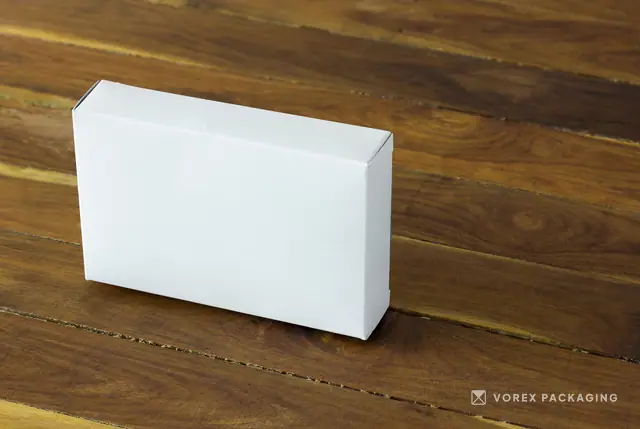
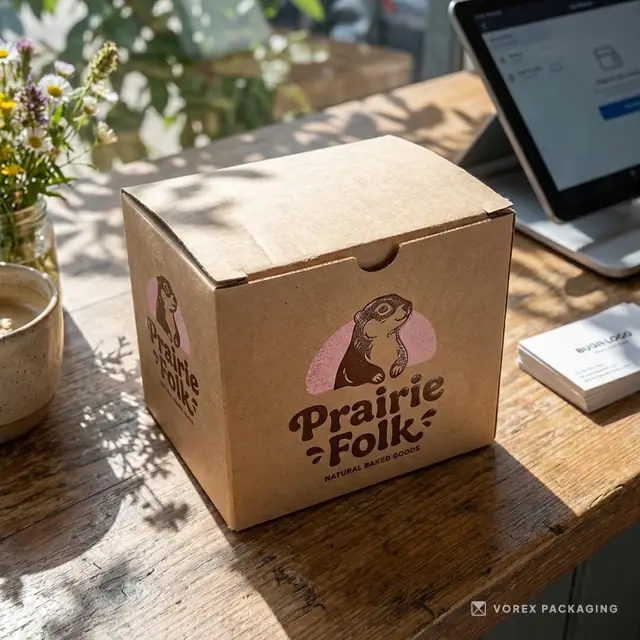
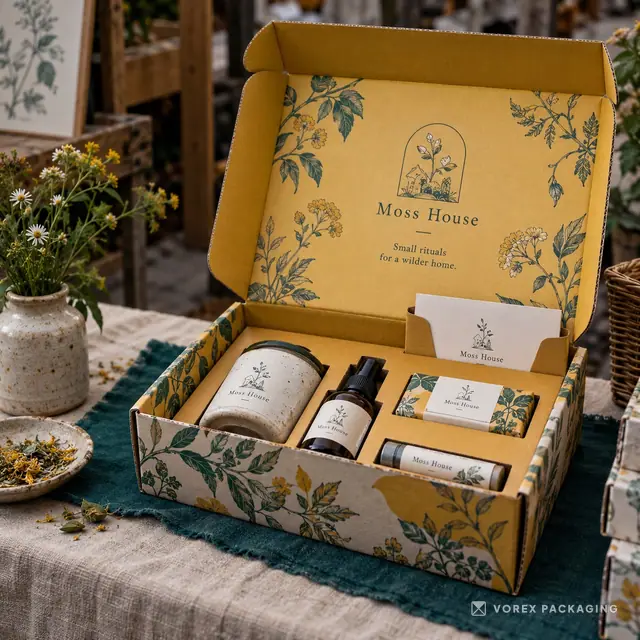
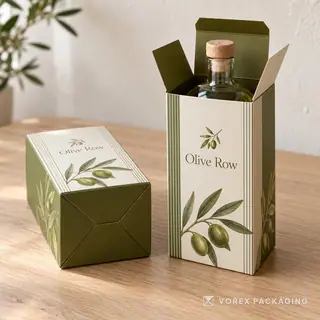
A tuck end box is a folding carton: one sheet of paperboard, glued along a side seam, shipped flat and closed by tucking a flap into each end. It is the everyday retail box you see on shelves for cosmetics, supplements and small goods. A mailer box is cut from corrugated board, the material with a fluted layer between two liners. It folds into a box with double-thickness side walls and a lid that tucks into the front, and it is built to travel through the mail on its own.
Protection
Paperboard protects a product from scuffs and shows it off, but it is not designed to take the knocks of a parcel network. That is why tuck end boxes usually ship inside an outer mailer or carton. A corrugated mailer holds its shape under stacking and handling, especially when the product fits snugly or sits in an insert.
Presentation
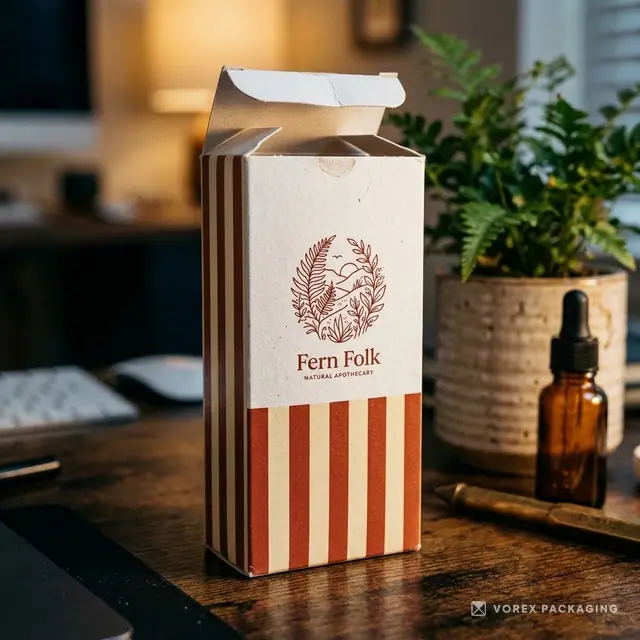
Both print well. A tuck end box is the shelf face of the product, so the panels carry the brand, the product name, claims and the barcode. A mailer box is the first thing an online customer sees, and printing inside the lid turns opening it into part of the experience.
What drives the cost
- Board: single-layer paperboard usually uses less material than corrugated board for a box of similar size.
- Size: bigger boxes use more board and fewer fit on each printed sheet.
- Print: colours, coverage and inside printing (common on mailers) add to the job.
- Finishes and extras: foil, spot UV, lamination, windows and inserts each add a step.
- Quantity: set-up is shared across the run, so the price per box falls as quantity rises.
Your quote lists the price for the exact size, board, print and quantity, so you can compare both styles side by side.
Choose a tuck end box if...
- Your product is light and sells on a shelf or in a display.
- It ships to customers inside another box or a mailer.
- You need room for product details, claims and a barcode.
Choose a mailer box if...
- The box goes straight to the customer through the mail.
- You want a gift-like unboxing with printing inside.
- The product needs more protection than paperboard gives.
Many brands use both: a printed tuck end carton for each product and a mailer box for online orders that hold one or more cartons.