


















Packaging Rules by City: Bag Fees, Foam Bans and EPR in 40 US Cities
Updated · Vorex Packaging
This table lists 77 packaging rules for 40 US cities: checkout bag fees and bans, foam food container bans, single-use plastic rules, extended producer responsibility programmes and state laws that stop cities from regulating packaging. Each row links its source and the date we read it; download the CSV.
Step by step
Find your city
Look up each city you sell in; rows include state or provincial rules that apply there.
Check the source
Open the linked source and confirm the current rule, phases and exemptions.
Choose compliant packaging
Swap banned items for paper bags, paperboard takeout boxes or other accepted materials before you order a run.
What this table covers
Local and state or provincial rules that affect the packaging a business hands to customers: checkout bag fees and bans, foam (expanded polystyrene) food container bans, single-use plastic and utensil rules, extended producer responsibility (EPR) programmes that make brands pay for packaging recycling, and state laws that stop cities from regulating packaging. It lists 77 rules for the 40 US cities where we wrote local packaging pages. Every row links the page we read it on and the date we read it (2026-10-18 to 2026-10-19).
It is a research summary for planning packaging, not legal advice. Rules change, and many have phases, exemptions and fees that a one-line summary leaves out. Before you order a large run, check the current rule with the city, state or province, or with the agency named in the source.
How to use it when you order packaging
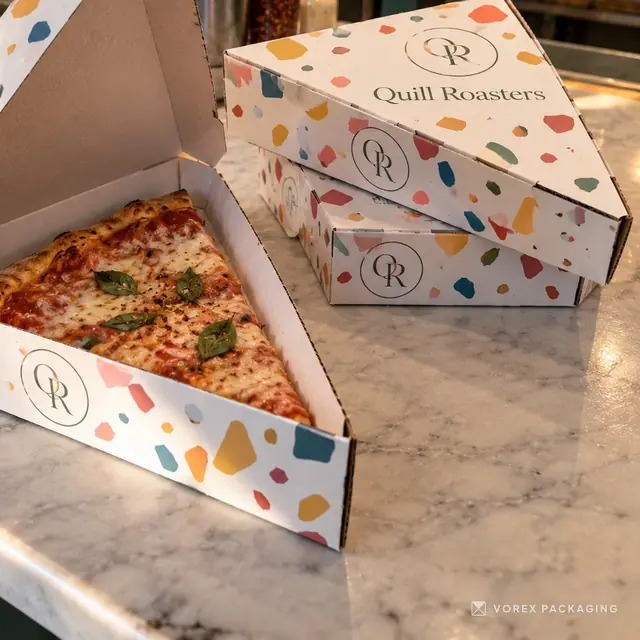
- Restaurants, cafes and food trucks: check foam and single-use plastic rules first; paperboard takeout boxes, paper cups and paper bags are the usual swaps. See food and restaurant packaging.
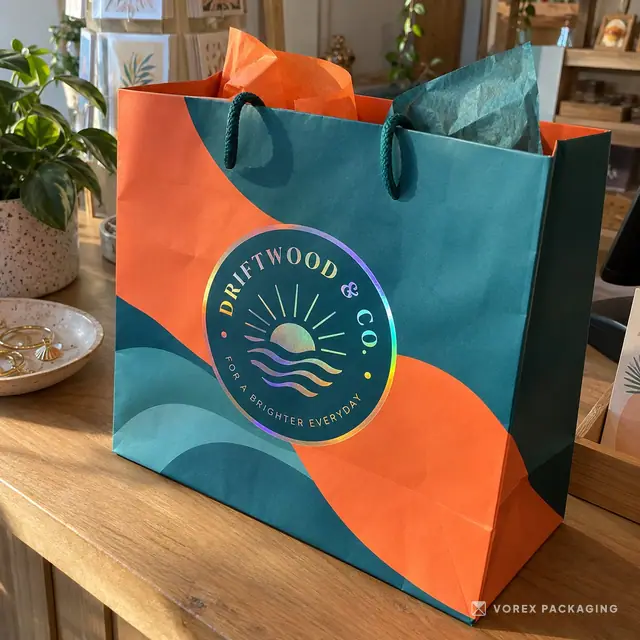
- Retail shops: check bag fees and bans; a printed paper bag is the common replacement for plastic checkout bags where they are banned or charged.
- Brands selling into several cities or provinces: EPR programmes charge producers by packaging material and weight, so lighter packaging and widely recycled materials such as paperboard and corrugated can matter.
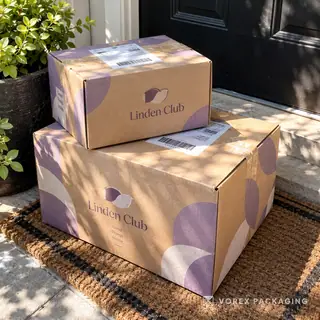
- Shipping to customers: most of these rules target bags and food service ware at the point of sale, not shipping boxes; check the EPR rows if you sell direct to consumers in those provinces or states.
The rules, city by city
| City | Rule (as summarised from the source) | Source |
|---|---|---|
| Mesa, Arizona | Arizona law bars cities and towns from taxing, charging a fee on or regulating the sale, use or disposal of auxiliary containers, which include bags, boxes, cups, bottles and containers made of plastic, extruded polystyrene, cardboard and other materials (A.R.S. 9-500.38). | azleg.gov, read 2026-10-19 |
| Phoenix, Arizona | Arizona law bars cities and towns from taxing, charging a fee on or regulating the sale, use or disposal of auxiliary containers, which include bags, boxes, cups, bottles and containers made of plastic, polystyrene, cardboard and other materials (A.R.S. 9-500.38). Phoenix can still run voluntary recycling programs. | azleg.gov, read 2026-10-18 |
| Tucson, Arizona | Arizona law bars cities and towns from taxing, charging a fee on or regulating the sale, use or disposal of auxiliary containers, which include bags, boxes, cups, bottles and containers made of plastic, extruded polystyrene, cardboard and other materials (A.R.S. 9-500.38). | azleg.gov, read 2026-10-19 |
| Fresno, California | California's SB 1053 bans all types of film plastic bags at checkout from January 1, 2026 in most stores selling food or alcohol, including grocery stores, stores with a pharmacy, convenience stores, food marts and liquor stores. Paper bags sold at checkout must contain at least 40% recycled content and cost at least 10 cents. | stopwaste.org, read 2026-10-19 |
| Fresno, California | Under SB 54, producers of expanded polystyrene food service ware had to show a 25% recycling rate by January 1, 2025. CalRecycle says this has not been met, so EPS food service ware such as takeout containers and cups can no longer be sold or distributed in California. The permanent SB 54 regulations took effect on May 1, 2026. | calrecycle.ca.gov, read 2026-10-19 |
| Los Angeles, California | The City of Los Angeles bars food, beverage and retail businesses from handing out or selling expanded polystyrene (foam) products, including takeout clamshells, plates and packing peanuts. The ban started on April 23, 2023 for businesses with more than 26 employees and has covered all businesses since April 2024. | wastedive.com, read 2026-10-18 |
| Los Angeles, California | Since January 1, 2025, producers may not sell, distribute or import expanded polystyrene (foam) food service ware into California, because the required 25% recycling rate was not met. This covers foam cups, plates, bowls, clamshells, trays, lidded containers and lids. | calrecycle.ca.gov, read 2026-10-18 |
| Los Angeles, California | Since January 1, 2026, California grocery stores, retail stores with a pharmacy, convenience stores, food marts and liquor stores may only hand out recycled paper carryout bags, for at least 10 cents each (SB 1053). From January 1, 2028 those bags must contain at least 50% postconsumer recycled material. | sd38.senate.ca.gov, read 2026-10-18 |
| Sacramento, California | Under SB 54, producers of expanded polystyrene food service ware had to show a 25% recycling rate by January 1, 2025. CalRecycle says this has not been met, so EPS food service ware such as takeout containers and cups can no longer be sold or distributed in California. The permanent SB 54 regulations took effect on May 1, 2026. | calrecycle.ca.gov, read 2026-10-19 |
| Sacramento, California | California's SB 1053 bans all types of film plastic bags at checkout from January 1, 2026 in most stores selling food or alcohol, including grocery stores, stores with a pharmacy, convenience stores, food marts and liquor stores. Paper bags sold at checkout must contain at least 40% recycled content and cost at least 10 cents. | stopwaste.org, read 2026-10-19 |
| San Diego, California | San Diego's Single Use Plastic Reduction Ordinance took effect on April 1, 2023 and bans most polystyrene foam containers, including foam bowls, plates, trays, cups, lids, egg cartons and meat trays. Plastic and bio-plastic straws and utensils may only be given out when the customer asks. | sandiego.gov, read 2026-10-18 |
| San Diego, California | Since January 1, 2025, producers may not sell, distribute or import expanded polystyrene (foam) food service ware into California, because the required 25% recycling rate was not met. This covers foam cups, plates, bowls, clamshells, trays, lidded containers and lids. | calrecycle.ca.gov, read 2026-10-18 |
| San Diego, California | Since January 1, 2026, California grocery stores, retail stores with a pharmacy, convenience stores, food marts and liquor stores may only hand out recycled paper carryout bags, for at least 10 cents each (SB 1053). From January 1, 2028 those bags must contain at least 50% postconsumer recycled material. | sd38.senate.ca.gov, read 2026-10-18 |
| San Francisco, California | San Francisco bans the sale of food service ware and packing materials made from polystyrene foam, including cups, plates, clamshells, meat trays and egg cartons, under an ordinance in effect since January 1, 2017. Disposable food ware and packing materials must be accepted as compostable or recyclable in the city's collection programs. | sfenvironment.org, read 2026-10-18 |
| San Francisco, California | Since July 1, 2019, food businesses may not include single-use accessories automatically and must offer them only on request or at self-service stations. Since January 1, 2020, compostable food ware must be certified by BPI or TUV Austria Belgium. | sfenvironment.org, read 2026-10-18 |
| San Francisco, California | Since January 1, 2025, producers may not sell, distribute or import expanded polystyrene (foam) food service ware into California, because the required 25% recycling rate was not met. This covers foam cups, plates, bowls, clamshells, trays, lidded containers and lids. | calrecycle.ca.gov, read 2026-10-18 |
| San Jose, California | San Jose's Bring Your Own Bag Ordinance, adopted December 14, 2010 and in effect since January 1, 2012, prohibits single-use carryout plastic bags at checkout at all retail businesses in the city. Stores may sell paper bags made of at least 40 percent post-consumer recycled content for at least 10 cents each. | icma.org, read 2026-10-18 |
| San Jose, California | California's SB 1053 bans all types of film plastic bags at checkout in grocery stores, stores with a pharmacy, convenience stores, food marts and liquor stores from January 1, 2026. Paper bags sold at checkout must contain at least 40% recycled content and cost at least 10 cents. | stopwaste.org, read 2026-10-18 |
| San Jose, California | Under SB 54, signed June 30, 2022, producers of expanded polystyrene food service ware had to show a 25% recycling rate by January 1, 2025. CalRecycle says this was not met, so EPS food service ware can no longer be sold in California. The permanent SB 54 regulations took effect on May 1, 2026. | calrecycle.ca.gov, read 2026-10-18 |
| Colorado Springs, Colorado | Under Colorado's Plastic Pollution Reduction Act (HB21-1162), since January 1, 2024 stores may not provide single-use plastic carryout bags, with exemptions for restaurants and Colorado-only businesses with 3 or fewer locations, and retail food establishments may not hand out expanded polystyrene containers for ready-to-eat food. Since July 1, 2024 local governments may adopt stricter rules or higher bag fees. | leg.colorado.gov, read 2026-10-19 |
| Colorado Springs, Colorado | Colorado's packaging producer responsibility law (HB22-1355) has required, since July 1, 2025, that producers selling products that use covered materials in Colorado take part in the statewide program. | leg.colorado.gov, read 2026-10-19 |
| Denver, Colorado | Denver requires retail stores to charge 10 cents for each disposable bag, a fee that took effect July 1, 2021. Shoppers using state or federal food assistance are not charged. | denvergov.org, read 2026-10-18 |
| Denver, Colorado | Under Colorado's Plastic Pollution Reduction Act (HB21-1162), since January 1, 2024 stores may provide only recycled paper carryout bags, with exemptions for restaurants and small Colorado-only stores with 3 or fewer locations, and no one may hand out expanded polystyrene containers for ready-to-eat food. | leg.colorado.gov, read 2026-10-18 |
| Denver, Colorado | Colorado's packaging producer responsibility law (HB22-1355) has required, since July 1, 2025, that producers selling products in packaging or paper products in Colorado take part in the statewide recycling program and pay dues. | leg.colorado.gov, read 2026-10-18 |
| Washington, District of Columbia | DC's foam ban has stopped businesses that serve food or drinks from using expanded polystyrene takeout containers, bowls, plates, cups and utensils since January 1, 2016. Since January 1, 2021, stores also cannot sell foam food ware, foam coolers or foam packing peanuts. | doee.dc.gov, read 2026-10-18 |
| Washington, District of Columbia | Restaurants and other food businesses in DC may only serve with compostable or recyclable food service ware, such as paper or pulp items (coated or not), aluminum, certain rigid plastics and BPI-certified compostable products. Single-use plastic straws are banned, though businesses must keep some on hand for customers who need them. | doee.dc.gov, read 2026-10-18 |
| Washington, District of Columbia | Since January 1, 2010, retailers, restaurants and other businesses in DC must charge 5 cents for each disposable carryout bag, no more and no less, including for phone, online and delivery orders. Restaurants with on-site seating can skip the fee for paper bags only. | doee.dc.gov, read 2026-10-18 |
| Jacksonville, Florida | Florida law bars local governments from regulating disposable plastic bags, wrappings and other auxiliary containers used to carry products from retail stores until the Legislature acts on the Department of Environmental Protection's recommendations (section 403.7033, Florida Statutes, amended in 2021). | flsenate.gov, read 2026-10-18 |
| Jacksonville, Florida | Since 2016, Florida has preempted to the state the regulation of the use or sale of polystyrene products by food businesses (section 500.90, Florida Statutes). Local ordinances enacted before January 1, 2016 still stand, and local governments may still restrict polystyrene on public property and for their own contractors. | flsenate.gov, read 2026-10-18 |
| Atlanta, Georgia | In December 2019 the Atlanta City Council voted unanimously to ban single-use plastic straws, plastic bags and polystyrene foam items in city buildings, including the concourses and terminals at Hartsfield-Jackson International Airport. It covers the city and its contractors, not every shop and restaurant in Atlanta. | wuga.org, read 2026-10-18 |
| Chicago, Illinois | Chicago taxes every checkout bag sold or used in the city. The tax is $0.15 per bag as of January 1, 2026, up from $0.10 in 2025 and $0.07 before that. Bags used to carry SNAP purchases are exempt, and stores get a one-cent-per-bag credit when they pay the tax to their wholesaler. | chicago.gov, read 2026-10-18 |
| Chicago, Illinois | The bag tax started in 2017 as a seven-cent tax on both paper and plastic bags, so switching from plastic to paper does not avoid it. | chicago.gov, read 2026-10-18 |
| Chicago, Illinois | Under Illinois Senate Bill 58, state agencies stopped buying polystyrene foam food containers after January 1, 2025. From January 1, 2026, or the next contract renewal if later, vendors on state-owned or leased sites must offer only compostable or recyclable foodware. | packagingdive.com, read 2026-10-18 |
| Indianapolis, Indiana | Indiana cities and counties cannot ban, restrict, tax or charge a fee on bags and other containers. House Bill 1053, signed on March 23, 2016, prohibits a local government from imposing any prohibition, restriction, fee or tax on auxiliary containers, defined as a bag, box, cup, bottle or similar container made of cloth, paper, plastic, extruded polystyrene or similar material. | packaginglaw.com, read 2026-10-18 |
| Indianapolis, Indiana | The 2016 law took effect immediately and stopped Indiana cities from pursuing bag restrictions like the one Bloomington had considered. | ibj.com, read 2026-10-18 |
| Louisville, Kentucky | In 2023 Louisville Metro Council set aside a proposed ordinance that would have required restaurants to ask customers before adding condiments, plastic utensils or straws to orders, and instead approved a resolution that encourages education campaigns. | lpm.org, read 2026-10-18 |
| Baltimore, Maryland | Baltimore's Ordinance 19-0401 bans single-use plastic bags at the point of sale and charges 5 cents for any other checkout bag, including paper and compostable bags. It was signed on January 13, 2020 and took effect on October 1, 2021. | baltimorecity.gov, read 2026-10-18 |
| Baltimore, Maryland | Maryland bans expanded polystyrene (Styrofoam) food service products statewide from July 1, 2020 under Chapter 579 of 2019 (Environment Article 9-2201 to 9-2207). | health.frederickcountymd.gov, read 2026-10-18 |
| Boston, Massachusetts | Boston's plastic bag ordinance has been in effect since December 14, 2018. Retailers can only give customers reusable bags, recyclable paper bags or compostable bags with handles, and can no longer stock plastic bags with handles. | boston.gov, read 2026-10-18 |
| Boston, Massachusetts | Stores must charge at least 5 cents for each bag with handles, show it on the receipt as a checkout bag charge, and post a sign within five feet of the register. Recyclable paper bags must be 100 percent recyclable with at least 40 percent post-consumer content, and compostable bags must be ASTM D6400 certified. | boston.gov, read 2026-10-18 |
| Detroit, Michigan | Detroit cannot ban, restrict or put a fee on bags, cups, takeout containers or other packaging. Michigan Public Act 389 of 2016 bars local governments from regulating plastic packaging and other auxiliary containers. | planetdetroit.org, read 2026-10-18 |
| Detroit, Michigan | On October 7, 2025 Detroit City Council unanimously passed a resolution supporting repeal of the 2016 law. The 2025 repeal bill, House Bill 4299, was introduced on March 25, 2025 and is still in committee, so the state preemption still applies. | michiganvotes.org, read 2026-10-18 |
| Kansas City, Missouri | Missouri's House Bill 722 (2015) says no political subdivision shall impose any ban, fee or tax on the use of paper or plastic bags, so Kansas City cannot ban or charge for bags. | cwp.missouri.edu, read 2026-10-19 |
| Las Vegas, Nevada | Nevada has no statewide bag, foam or straw restriction. Ocean Conservancy's 2025 United States of Plastics report found that Nevada has not passed any laws restricting the single-use plastics it reviewed and has no extended producer responsibility or deposit return program for packaging or beverage containers. | oceanconservancy.org, read 2026-10-18 |
| Albuquerque, New Mexico | Albuquerque's Clean and Green Retail Ordinance banned single-use plastic bags from January 1, 2020. On March 7, 2022 the City Council voted 6-3 to repeal it. | ksfr.org, read 2026-10-19 |
| Albuquerque, New Mexico | The council then voted 6-3 to override Mayor Tim Keller's veto of the repeal, so the bag ordinance is no longer in force. | kob.com, read 2026-10-19 |
| New York City, New York | Since January 1, 2019, stores, food service businesses and mobile food carts in New York City cannot sell, offer or possess single-use foam items such as clamshells, cups, plates, bowls, trays and coolers, and foam packing peanuts are banned too. Raw meat, fish and egg containers from retail cases, food sealed before it reaches the business, and foam blocks used as shipping protection are exempt. Fines run $150, $250 and then $500 for repeat violations within 12 months. | nyc.gov, read 2026-10-18 |
| New York City, New York | Single-use plastic carryout bags are banned in New York State, with limited exceptions, and NYC businesses covered by the ban must charge a five-cent fee on paper bags. Customers paying with SNAP or WIC do not pay the fee. | nyc.gov, read 2026-10-18 |
| New York City, New York | New York State's own ban on expanded polystyrene food containers and packing peanuts started January 1, 2022, and foam coolers were added on January 1, 2026. New York City is exempt from the state ban only because it runs its own local ban. | dec.ny.gov, read 2026-10-18 |
| Charlotte, North Carolina | North Carolina law (G.S. 160A-205.7 for cities and G.S. 153A-145.12 for counties) bars local governments from adopting rules that restrict, tax, charge a fee on, prohibit or otherwise regulate auxiliary containers such as bags. Local governments may still run recycling and composting programs and regulate containers on public property. | lrs.sog.unc.edu, read 2026-10-18 |
| Charlotte, North Carolina | North Carolina has no bag ban in force. On October 4, 2017 the General Assembly overrode the governor's veto of House Bill 56, repealing the state's only plastic bag ban, the 2009 Outer Banks ban. | islandfreepress.org, read 2026-10-18 |
| Raleigh, North Carolina | North Carolina law (G.S. 160A-205.7 for cities and G.S. 153A-145.12 for counties) bars local governments from restricting, taxing or charging a fee on auxiliary containers such as bags. Senate Bill 166, filed February 25, 2025, would repeal both statutes; the UNC School of Government summary lists it as filed. | lrs.sog.unc.edu, read 2026-10-19 |
| Raleigh, North Carolina | On October 4, 2017 the General Assembly overrode the governor's veto of House Bill 56, repealing North Carolina's only plastic bag ban, the 2009 Outer Banks ban. | islandfreepress.org, read 2026-10-19 |
| Columbus, Ohio | Ohio cities cannot ban or tax single-use bags and similar containers. House Bill 242 first set a temporary prohibition on local bans and fees on auxiliary containers, and the 2021 state budget made it permanent. | ohiomfg.com, read 2026-10-18 |
| Oklahoma City, Oklahoma | Oklahoma cities cannot ban or tax bags and containers. Senate Bill 1001 (2019) says no political subdivision shall restrict, tax, prohibit or regulate the use, disposition or sale of auxiliary containers, which include bags, cups, packages, bottles and foamed plastic containers. Local recycling and solid waste ordinances, and container use on city or county property, are exempt. | oklegislature.gov, read 2026-10-18 |
| Oklahoma City, Oklahoma | The Governor approved Senate Bill 1001 on April 23, 2019. | oklegislature.gov, read 2026-10-18 |
| Portland, Oregon | Since January 1, 2025, Oregon's SB 543 bars food vendors from using polystyrene foam containers for prepared food, bans the sale of foam containers and foam packing peanuts, and bans foodware containers with intentionally added PFAS. No industries are exempt. | oregon.gov, read 2026-10-18 |
| Portland, Oregon | Oregon's packaging producer responsibility program under the Recycling Modernization Act began in July 2025, with producers of packaging, paper and food serviceware paying fees through Circular Action Alliance. | oregon.gov, read 2026-10-18 |
| Portland, Oregon | On August 28, 2026, the US District Court for the District of Oregon upheld the Recycling Modernization Act against a challenge from the National Association of Wholesaler-Distributors. | apps.oregon.gov, read 2026-10-18 |
| Philadelphia, Pennsylvania | Philadelphia's plastic bag ban stops retail businesses of all sizes from handing out single-use plastic carryout bags. Single-use plastic bags were prohibited from October 1, 2021, warnings ran until March 31, 2022, and violations have been issued since April 1, 2022, with a minimum penalty of $150. | phila.gov, read 2026-10-18 |
| Philadelphia, Pennsylvania | Paper carryout bags of every size must contain at least 40 percent post-consumer recycled content, be marked recyclable or recycled content, and show the manufacturer's name and the recycled percentage. Businesses can choose whether to charge for bags; the city does not set a fee. | phila.gov, read 2026-10-18 |
| Philadelphia, Pennsylvania | Some bags are exempt, including dry cleaner bags, pharmacy prescription bags, newspaper bags and in-store bags for bulk goods and bakery items. | phila.gov, read 2026-10-18 |
| Memphis, Tennessee | Memphis cannot ban or charge a fee on bags and other containers. On April 12, 2019 Tennessee Gov. Bill Lee signed a law that stops local governments from regulating certain plastic bags and utensils. | appvoices.org, read 2026-10-18 |
| Memphis, Tennessee | The state bill bars local rules that regulate, restrict or put a fee, charge or tax on an auxiliary container. Memphis City Council had been considering a 4 cent plastic bag fee and paused its vote as the bill advanced in 2019. | memphisflyer.com, read 2026-10-18 |
| Nashville, Tennessee | Tennessee local governments cannot ban, restrict or tax bags and food containers. Senate Bill 431/House Bill 1021, passed in March 2019, prevents local governments from banning, restricting or taxing items used in food retail such as bags, cups, bottles, cans and utensils, or packaging materials and containers used in food manufacturing and distribution. | theshelbyreport.com, read 2026-10-18 |
| Nashville, Tennessee | Governor Bill Lee signed the law on April 12, 2019, after Nashville and Memphis had proposed taxes on single-use plastic bags. | appvoices.org, read 2026-10-18 |
| Austin, Texas | Austin's single-use bag ordinance is no longer enforced. On July 3, 2018 the city said it will not enforce its rules, following the Texas Supreme Court ruling against Laredo's bag ban. | kut.org, read 2026-10-18 |
| Austin, Texas | Texas cities cannot ban single-use bags. On June 22, 2018 the Texas Supreme Court ruled unanimously in City of Laredo v. Laredo Merchants Association that the state solid waste law preempts local ordinances that restrict the sale or use of a package or container. | texastribune.org, read 2026-10-18 |
| Dallas, Texas | Texas cities cannot ban single-use bags. On June 22, 2018 the Texas Supreme Court ruled unanimously in City of Laredo v. Laredo Merchants Association that the state solid waste law preempts local ordinances that restrict the sale or use of a package or container. | texastribune.org, read 2026-10-18 |
| El Paso, Texas | Texas cities cannot ban single-use bags. On June 22, 2018 the Texas Supreme Court ruled unanimously that the state solid waste law preempts Laredo's local bag ban, making such local bans unenforceable. | texastribune.org, read 2026-10-18 |
| Fort Worth, Texas | Texas cities cannot ban single-use bags. On June 22, 2018 the Texas Supreme Court ruled unanimously in the Laredo bag ban case that the state solid waste law preempts the local ordinance, a decision that invalidated about a dozen similar city bans. | texastribune.org, read 2026-10-18 |
| Houston, Texas | Texas cities cannot ban single-use bags. On June 22, 2018 the Texas Supreme Court ruled unanimously in City of Laredo v. Laredo Merchants Association that the state solid waste law preempts local ordinances that restrict the sale or use of a package or container. | texastribune.org, read 2026-10-18 |
| San Antonio, Texas | Texas cities cannot ban single-use bags. On June 22, 2018 the Texas Supreme Court ruled unanimously in City of Laredo v. Laredo Merchants Association that the state solid waste law preempts local ordinances that restrict the sale or use of a package or container. | texastribune.org, read 2026-10-18 |
| Seattle, Washington | Seattle requires single-use food service packaging to be compostable for onsite dining and recyclable or compostable for takeaway, and since July 1, 2018 single-use straws and utensils must be compostable. Violations can bring a civil penalty of up to $250 each. | seattle.gov, read 2026-10-18 |
| Seattle, Washington | Washington banned expanded polystyrene (foam) packing peanuts in June 2023 and foam food containers, plates, bowls, clamshells, trays, cups and coolers on June 1, 2024. Packaging for raw meat, seafood, produce and eggs is exempt. | ecology.wa.gov, read 2026-10-18 |
| Seattle, Washington | Washington's single-use plastic carryout bag ban has applied since October 2021. Paper carryout bags carry an 8-cent charge and need at least 40% post-consumer recycled content, and since January 1, 2026 the thicker plastic film bags carry a 12-cent charge. | ecology.wa.gov, read 2026-10-18 |
| Milwaukee, Wisconsin | Milwaukee cannot regulate or charge a fee on bags, cups, bottles and other containers. 2015 Wisconsin Act 302, signed on March 30, 2016, bars cities, villages, towns and counties from regulating these containers made of cloth, paper, plastic, cardboard, aluminum, glass or similar materials. | hamilton-consulting.com, read 2026-10-18 |
Download and reuse
The full table is available as a CSV file: packaging-rules-by-city.csv (country, state or province, city, rule, source URL, read date). You are welcome to use it on your own site, in a newsletter or in a course; please credit it as Source: Vorex Packaging, Packaging rules by city with a link to this page.
Sources and method
Each rule was read on the linked page (city, state or provincial government pages, official gazettes and news reports) between 2026-10-18 and 2026-10-19 while writing our local packaging pages, and is summarised in one line. Rules we could not open a source for are not included. If you see an out-of-date row, write to hello@vorexpackaging.com and we will check and update it.