













Window Box vs Plain Box: Should Shoppers See Inside?
Updated · Vorex Packaging
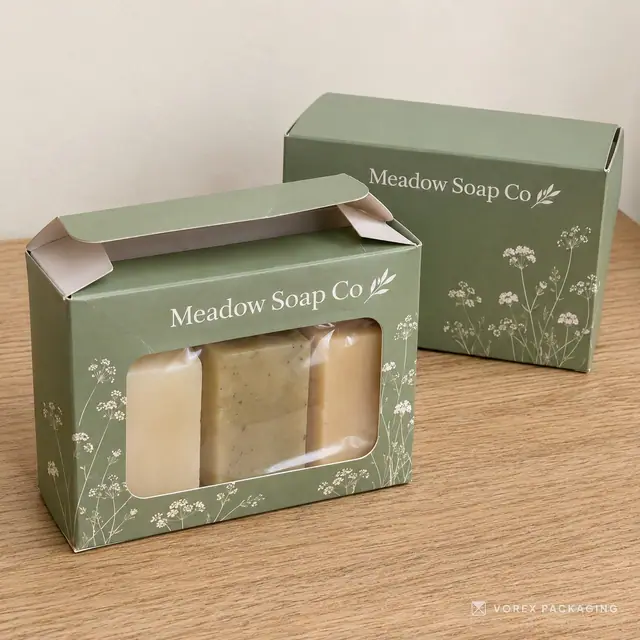
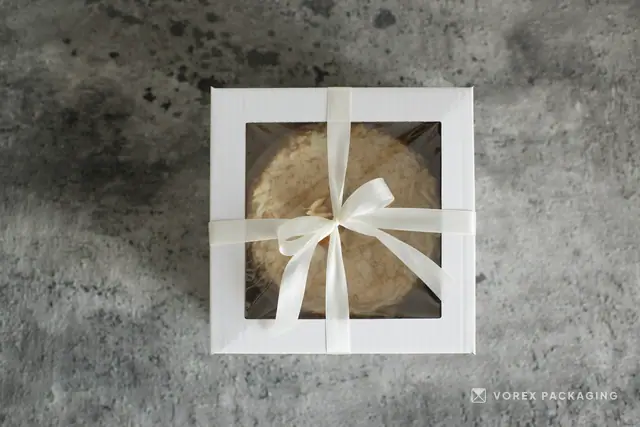
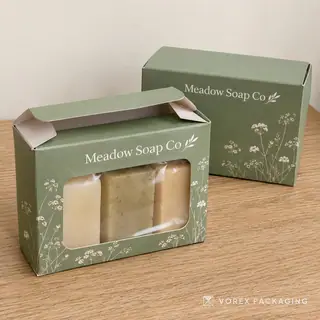
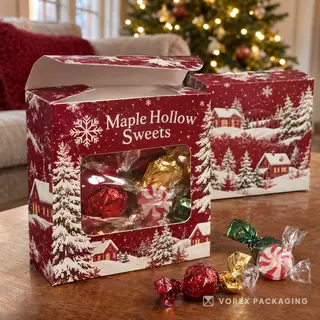
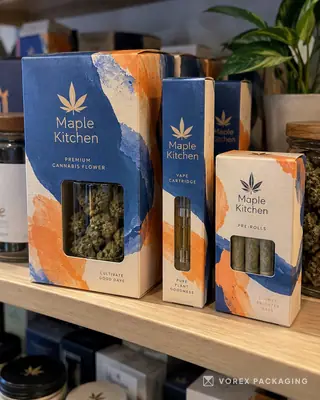
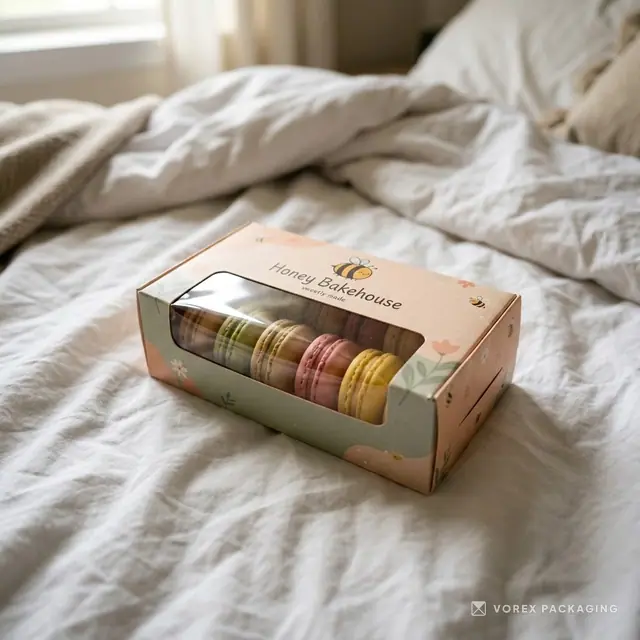
Choose a window box when the product sells on looks, such as baked goods, candles, soap or toys: a die-cut opening, usually covered with clear film, lets shoppers see it without opening the pack. Choose a box without a window when the product needs shielding from light, a surprise reveal or every panel for printing.
| Window box | Plain box (no window) | |
|---|---|---|
| Visibility | The product shows through the opening | Hidden until opened; the print shows it |
| Print area | Smaller, since the window takes part of a panel | Every panel is available for artwork, claims and barcodes |
| Protection | Clear film keeps dust out; an open window does not | Full board on every side, including from light |
| Production | Adds die-cutting the opening and applying the film | No window step |
| Box styles | Tuck end cartons, bakery boxes, display and gift boxes | Any style |
| Best for | Bakery, candles, soap, toys, gift sets | Light-sensitive products, surprise gifts, label-heavy products |
What is the difference?
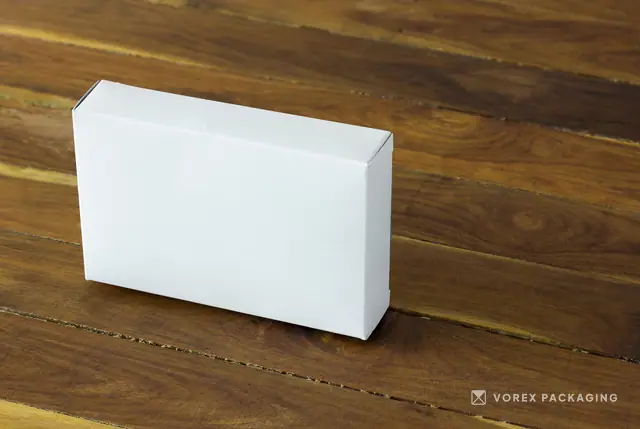
A window box has an opening die-cut into one or more panels. Most windows are covered from the inside by a thin clear film, a step called window patching; some are left open. A plain box here means a box without a window. It can still be fully printed: plain refers to the closed panels, not to the design.
Selling on looks
A window lets shoppers check the colour, texture or freshness of what they are buying without opening the pack, which is why bakeries, candle makers, soap brands and toy brands use it. When the product inside is the selling point, the window does part of the work the artwork would otherwise do.
When to keep the panels closed
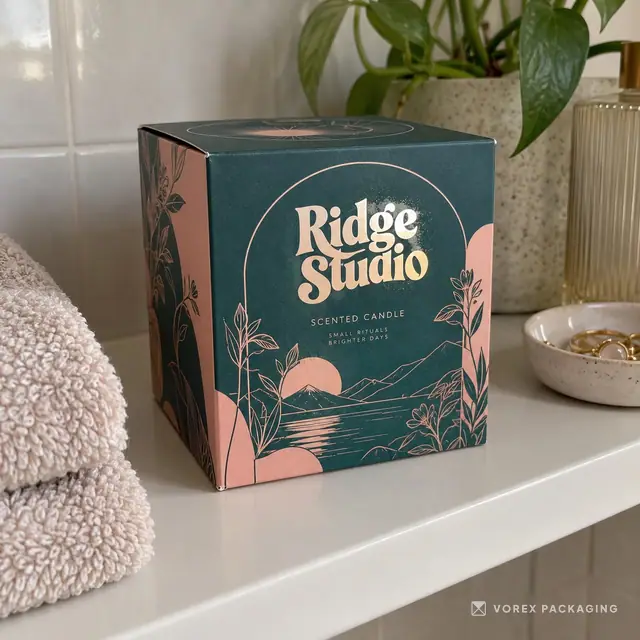
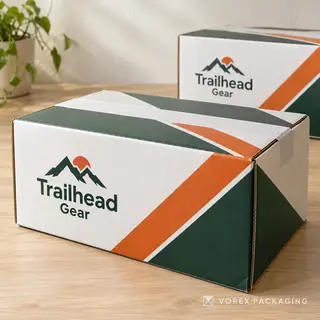
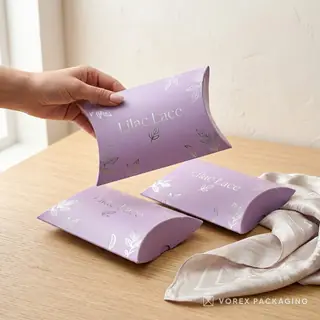
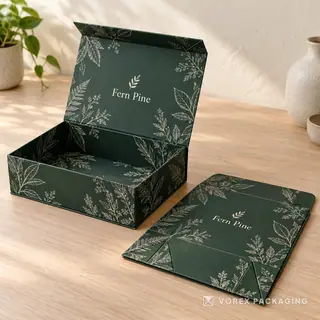
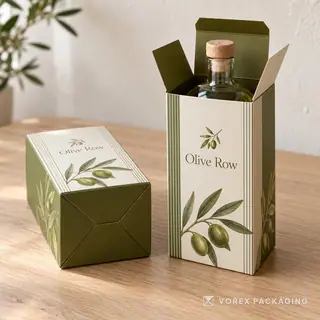
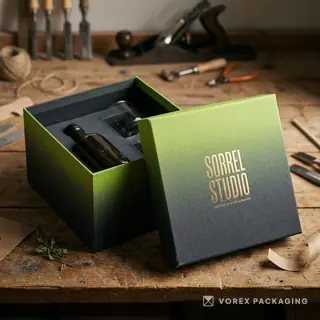
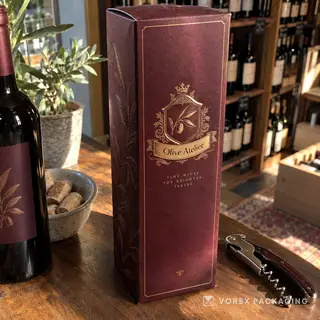
A box without a window shields the product from light, keeps a gift a surprise and gives every panel to your artwork, ingredients, claims and barcode. Products that look ordinary in their inner pouch or bottle often sell better with good photography printed on a closed box.
Structure
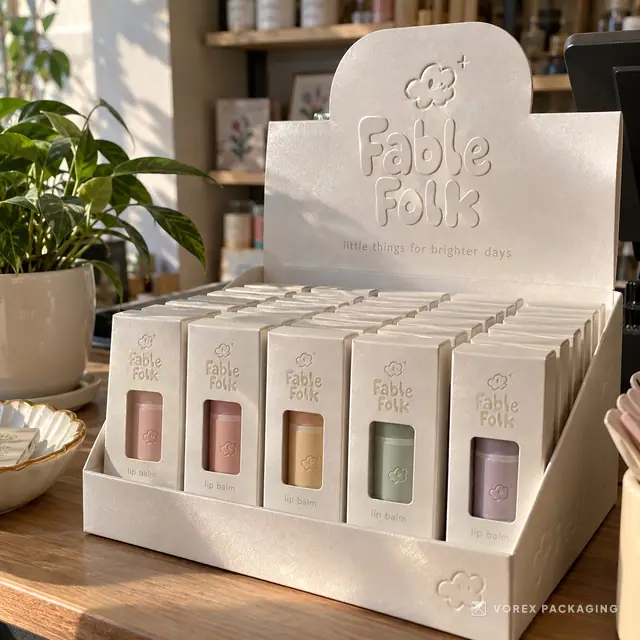
A window removes board from a panel, so it should leave a solid border and suit the product's weight. A straight tuck end carton keeps the front panel clean around a window. A packaging specialist can check the window size and position on your dieline before the proof.
What drives the cost
- The window: die-cutting the opening and patching the film are extra steps; the window's size and shape and the type of film matter.
- Board and size: the same as any box, the board grade and the box size set the material used.
- Print and finishes: colours, coverage, foil or lamination add to either style.
- Quantity: set-up is shared across the run, so the price per box falls as quantity rises.
Choose a window box if...
- The product itself is the best advertisement.
- Shoppers want to check colour, size or freshness before buying.
- You sell on shelves, at counters or at markets.
Choose a box without a window if...
- The product is sensitive to light or should stay a surprise.
- You need every panel for artwork and product information.
- The product looks ordinary in its inner packaging.
Not sure? Many brands use a window on the front panel and full print on the other five, so the box both shows and tells.