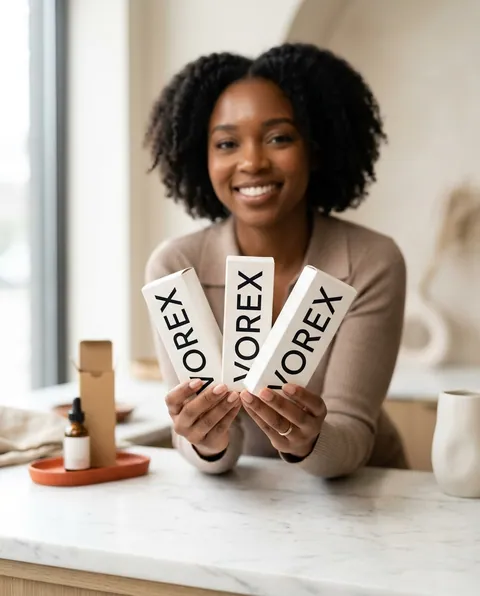
Custom Seal End Boxes
Updated
Custom seal end boxes are paperboard folding cartons whose end flaps are glued shut rather than tucked. Printed with your brand and made to your exact size, they suit cereal, snacks, baking mixes, pasta, tea and other packaged goods packed on a line, where a sealed, tamper-evident closure matters.
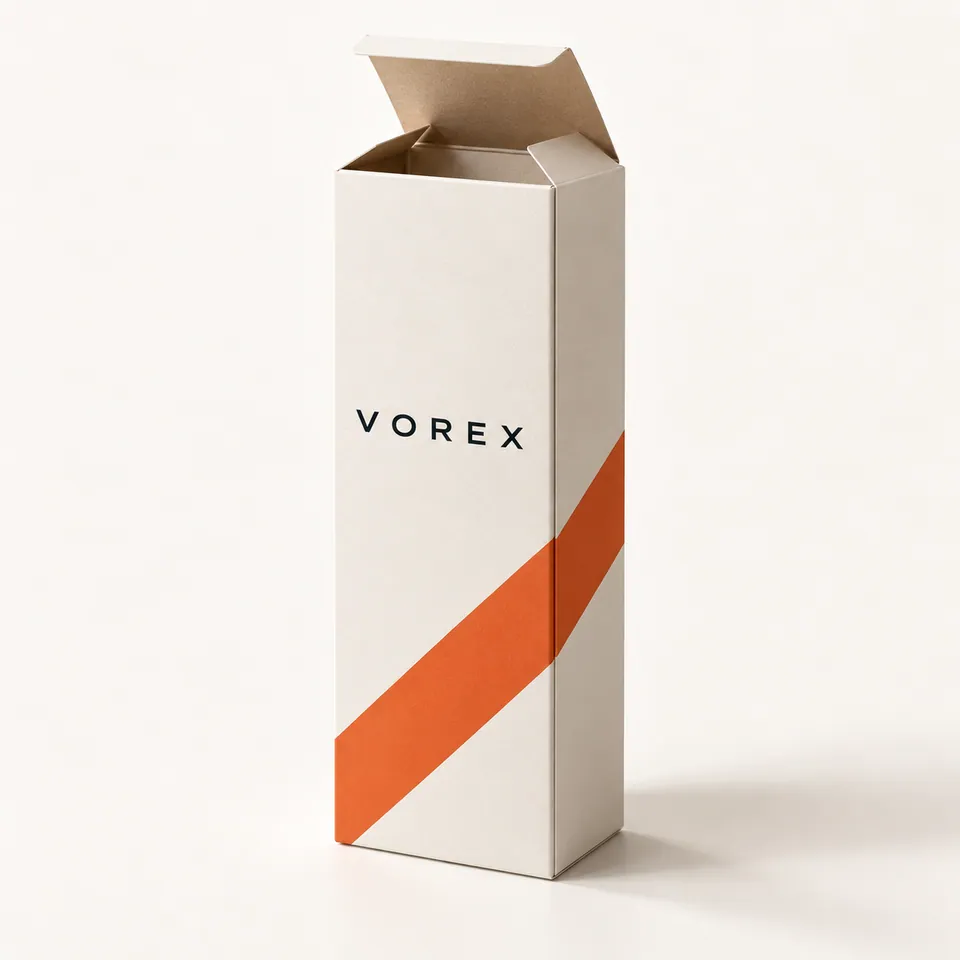
Seal end box styles
2 options. Every product is made to your size with your artwork.
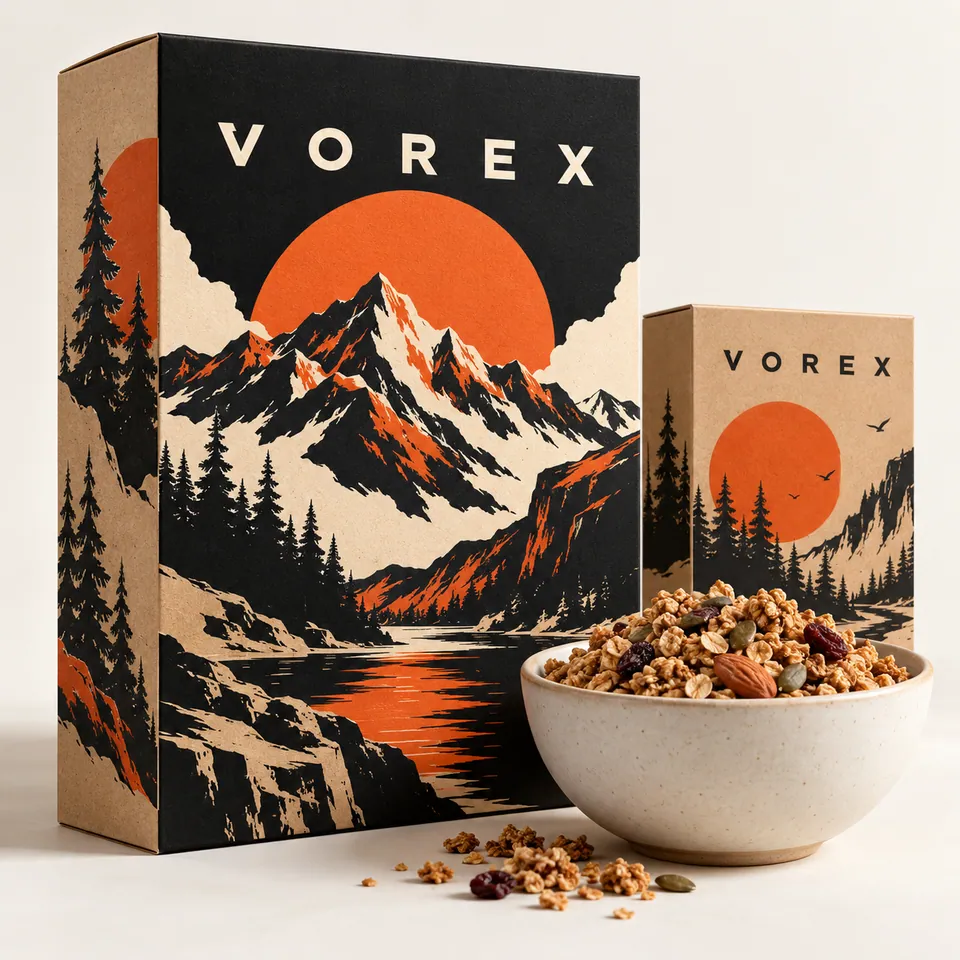
What is a seal end box?
A seal end box is a folding carton with flaps at the top and bottom that are closed with glue instead of tucked in. The result is a clean, square box with a closure that shows if it has been opened. It is the familiar shape of a cereal or cracker box, and it can be filled by hand or on packing machines.
When to choose a seal end box
- You sell dry food such as cereal, snacks, pasta, tea or baking mixes.
- You want a closure that shows tampering at a glance.
- Your packing is done on a line, or in high volume by hand with glue.
- You need a tall, flat front panel for strong shelf graphics.
If customers will open and reclose the box many times, a tuck end box may suit better, or you can add a tear strip or perforated opening.
Materials and finishes
Seal end boxes are usually made from paperboard. SBS gives a bright white surface for vivid color, while kraft gives an unbleached, natural look. Recycled paperboard is another common choice for dry goods. Options include:
- Full-color print on all panels
- Matte or gloss coatings and aqueous coating
- Tear strips, perforated openings or pour spouts
- Window cutouts with clear film
If the product touches the board directly, use an inner bag or liner and check the food-contact requirements that apply to your product.
Design tips
- Plan where the nutrition panel, barcode and ingredient list will sit before you design the front.
- Keep artwork clear of glue areas shown on the dieline, since glue does not bond well over some coatings.
- Use the top panel: boxes are often seen from above on low shelves.
- Ask for opening instructions to be printed if you add a tear strip.
How ordering works
Tell us your product size, quantity, board and finishes, and we reply with pricing. We help set your artwork on the dieline and send a digital proof before print. Our production partner makes the boxes to your exact size and ships them anywhere in the USA or Canada.
Get a free quote in minutes
Size, quantity and email. We reply with pricing and options.
Custom Seal End Boxes: common questions
What is the difference between a seal end box and a tuck end box?
Are seal end boxes good for food?
Can a seal end box be opened easily?
Can seal end boxes be packed by hand?
What board is used for seal end cartons?
Ready to see your brand on a box?
Send us your size and quantity. We reply with pricing, material options and a digital proof of your design.