













Paper Bags vs Plastic Bags: Which Is Better for Your Brand?
Updated · Vorex Packaging
Choose paper bags when presentation and recyclability matter most: they print well, stand upright and are accepted in most paper recycling. Choose plastic bags, such as poly mailers, when the bag must be light, waterproof and tear-resistant, for example when shipping apparel. Neither is better in every case; the right choice depends on what goes inside and where the bag ends up.
| Paper bags | Plastic bags | |
|---|---|---|
| Typical material | Kraft or white paper, often with twisted or rope handles | Polyethylene film, as shopping bags or poly mailers |
| Strength | Stiff and good for boxed or folded goods; weak when wet | Flexible, tear-resistant and holds up when wet |
| Moisture | Absorbs water unless coated or laminated | Waterproof |
| Printing | Crisp logos and full-color designs; foil and embossing possible | Good for bold logos and flat colors |
| End of life | Widely accepted in paper recycling when clean and uncoated | Film recycling varies by area; often store drop-off only |
| Best for | Retail carry-out, gifts, bakery and takeout | Shipping soft goods, wet or messy items |
What each bag does well
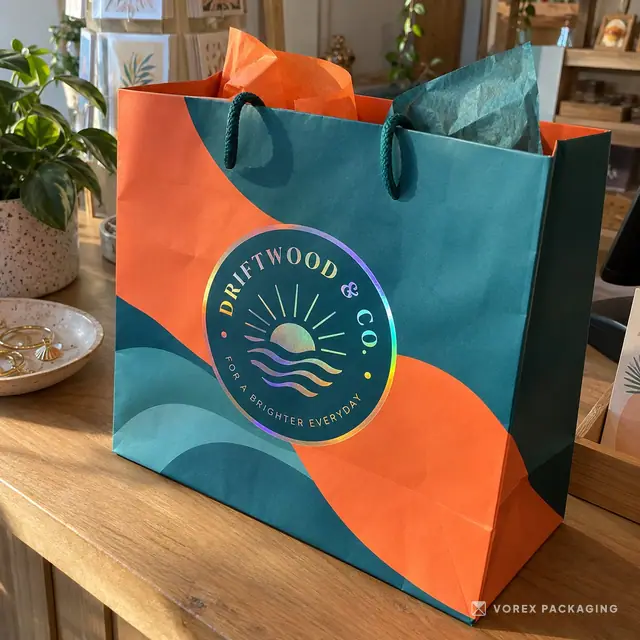
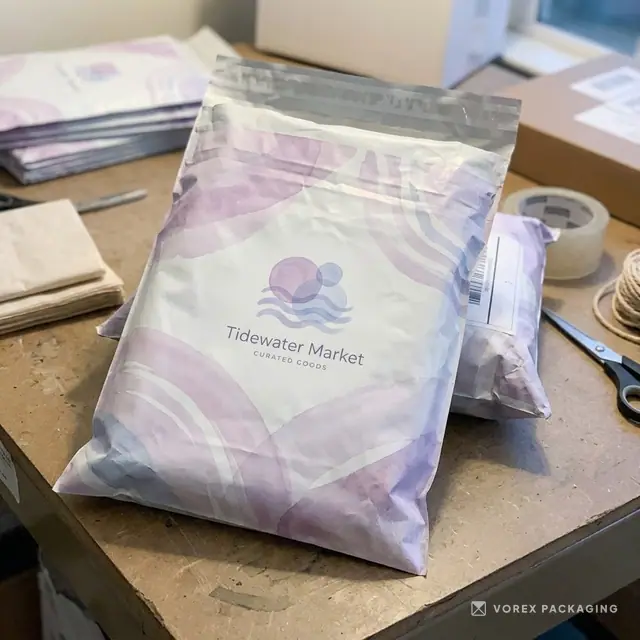
Paper bags are made from kraft or bleached paper, usually with a flat base so they stand on a counter. They carry a brand well because paper takes ink cleanly, and customers tend to keep and reuse a good one. Plastic bags are made from thin polyethylene film. They weigh very little, shrug off rain and stretch rather than tear, which is why most apparel shipped by mail travels in a poly mailer.
Strength and protection
A paper bag holds its shape and protects boxed items, bottles and folded clothing in the hand. It loses strength quickly when wet, and sharp corners can split a thin sheet. Plastic film survives wet weather and rough handling but gives no structure, so anything fragile inside still needs a box.
Printing and brand feel
Paper gives the widest design range: one-color kraft for a natural look, full-color print on white paper, and finishes such as foil stamping on thicker bags. Plastic film prints best with simple, bold artwork. Many shoppers read a paper bag as more premium, which matters for boutiques, gift shops and cafes.
Recycling and local rules
Clean, uncoated paper bags go into most curbside paper recycling. Plastic film is often not accepted curbside and has to be returned to a store drop-off point where one exists. Several US states and Canadian provinces restrict or charge for single-use plastic checkout bags, and Canada has federal rules on them, so check the rules where you sell before ordering. Laminated or heavily coated paper bags can be harder to recycle than plain ones.
Choose paper bags if...
- Customers carry purchases out of a shop, bakery or restaurant.
- You want the bag to act as a small billboard for the brand.
- Your area limits plastic checkout bags.
Choose plastic bags if...
- You ship soft goods such as clothing by mail and want the lowest weight.
- The contents or the journey are likely to be wet.
- You need a tamper-evident, self-sealing mailer.
Plenty of brands use both: poly mailers for shipping and printed paper bags in store.